By: Louise Redvers
June 2026
7 mins
More than 700 women die every day from preventable causes related to pregnancy and childbirth – equivalent to one unnecessary death every two minutes, according to the World Health Organisation (WHO).
In the Middle East and North Africa (MENA) region, although maternal mortality rates are officially lower than in sub-Saharan Africa and parts of South Asia, the official numbers mask stark inequalities.
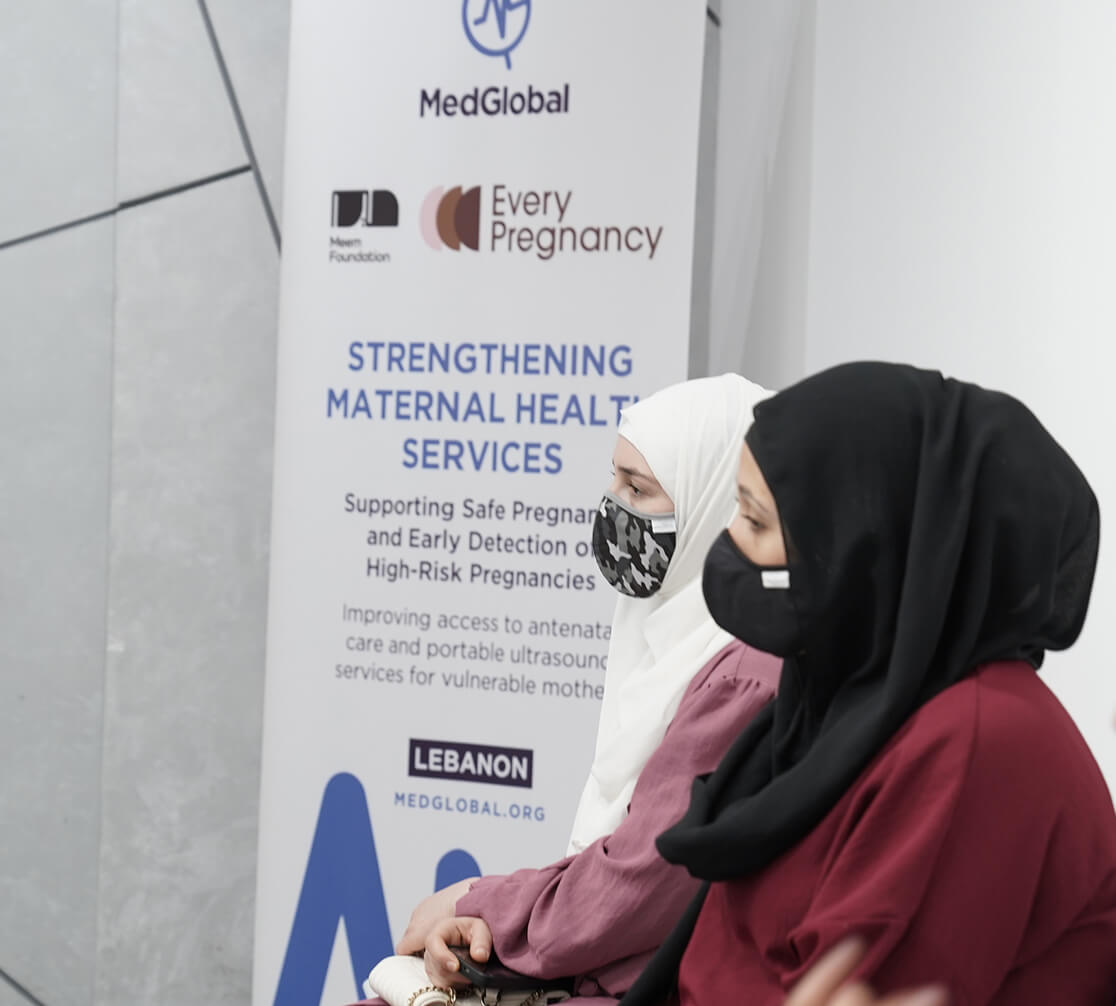
While wealthier countries report low maternal mortality rates, women in the region’s conflict-affected and fragile settings face significantly higher risks. In response to these disparities, in 2025, Meem Foundation committed US$500,000 to support pregnant women in Lebanon and Gaza, where even basic healthcare services have been severely disrupted by continued conflict and attacks on medical facilities and workers.
Meem allocated the money to Every Pregnancy, a new philanthropic initiative aimed at expanding access to life‑saving maternal and newborn health interventions in communities disproportionately affected by conflict, displacement, poverty, and weak access to healthcare.
The focus of the grant was the delivery of life-saving drugs and equipment, such as portable ultrasound machines, and provision of training to raise awareness among health workers about how to detect high-risk pregnancies and treat obstetric emergencies.
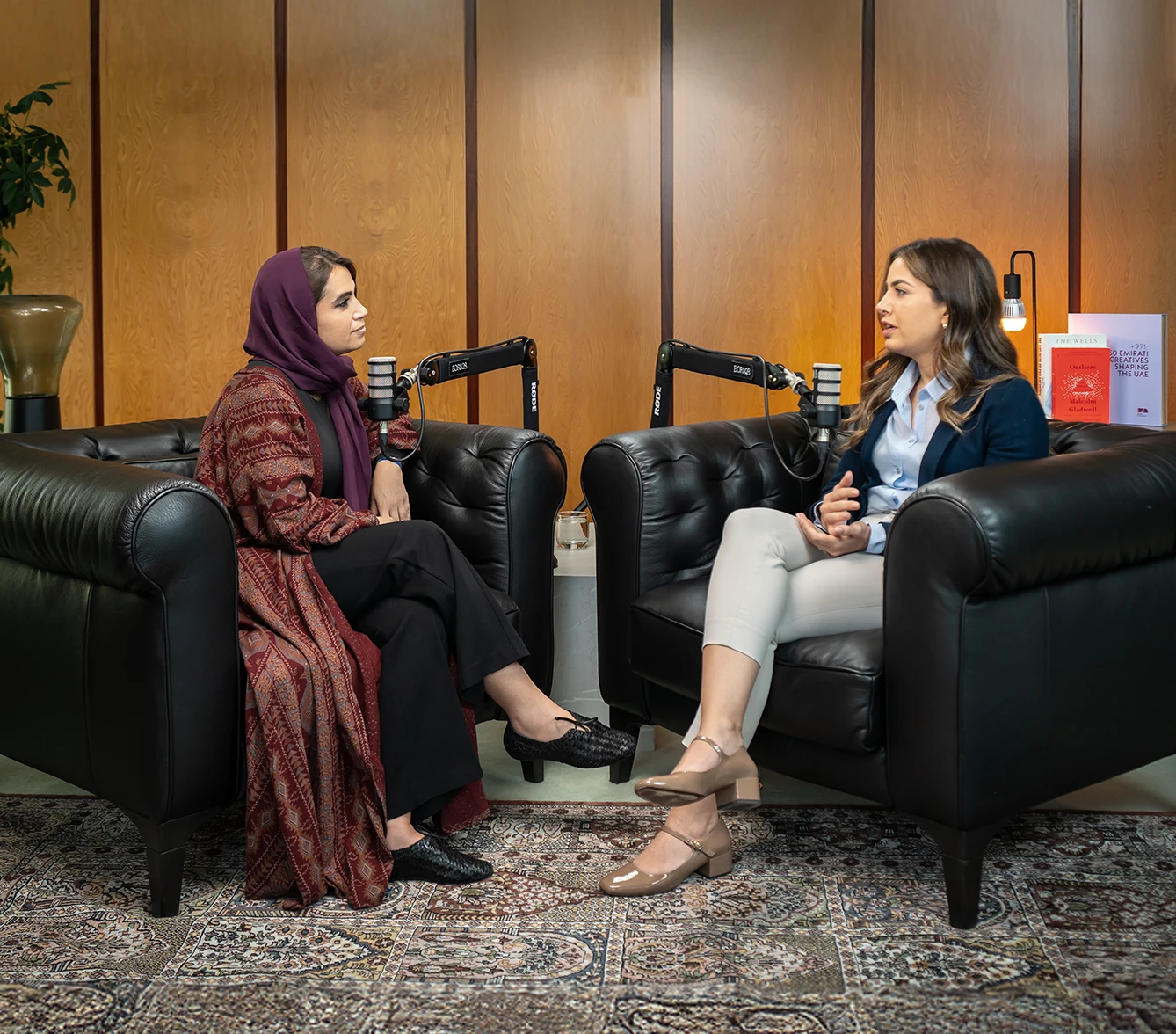
At Meem Foundation, we believe that where a woman lives should not determine whether she survives pregnancy or childbirth.
Muna Al Gurg, Meem Foundation founder
“Too many mothers in crisis-affected settings are being left behind. By partnering with Every Pregnancy, we are making a commitment to closing these gaps by investing in practical, scalable solutions.” said Meem Foundation founder, Muna Al Gurg.
Every Pregnancy, the world’s first partner-driven Islamic philanthropic coalition of its kind, works as a connector and multiplier. It directs donor funding from around the world towards grassroots organisations and creates space for partners to advocate, exchange knowledge and come up with impactful frontline solutions. “Small, frontline NGOs don’t have time to spend weeks working on proposals and adapting to the language and the demands of the different donors,” explained Marleen Vellekoop, Every Pregnancy’s Chief Operating and Strategy Officer. “We are the intermediary and can make sure resources are directed where they are most needed.” Every Pregnancy had planned to use Meem’s grant to support the provision of safe delivery services for refugee and displaced mothers in Primary Health Centres (PHCs), working with MedGlobal in Lebanon and Humaniti International in Gaza. It also was going to run a WHO-endorsed Training of Trainers programme, delivered in collaboration with Aga Khan University (AKU) in Pakistan to detect and reduce postpartum haemorrhage (PPH), one of the leading causes of maternal death.
Notably, this was one of the first times that this new type of diagnostic screening, known as the E-MOTIVE1 PPH bundle, was being deployed in the region – and, crucially, one of the first times for it to be used in a conflict setting.
The escalation of conflict in southern Lebanon however disrupted Every Pregnancy’s plan, and as insecurity intensified, the Training of Trainers programme with Lebanon’s Ministry of Health had to be put on hold.
In response to the new situation, and with Meem Foundation’s support, Every Pregnancy and its partners made a rapid pivot; funds initially earmarked for training were reallocated to address the most urgent frontline needs, enabling PHCs to continue delivering life-saving care to the growing caseload of displaced mothers.
This included the expansion of provision of essential medicines and supplies to support overstretched health workers in PHCs in places like Saida, Lebanon’s third largest city, and newly home to tens of thousands of displaced families driven north by Israeli airstrikes and displacement orders.
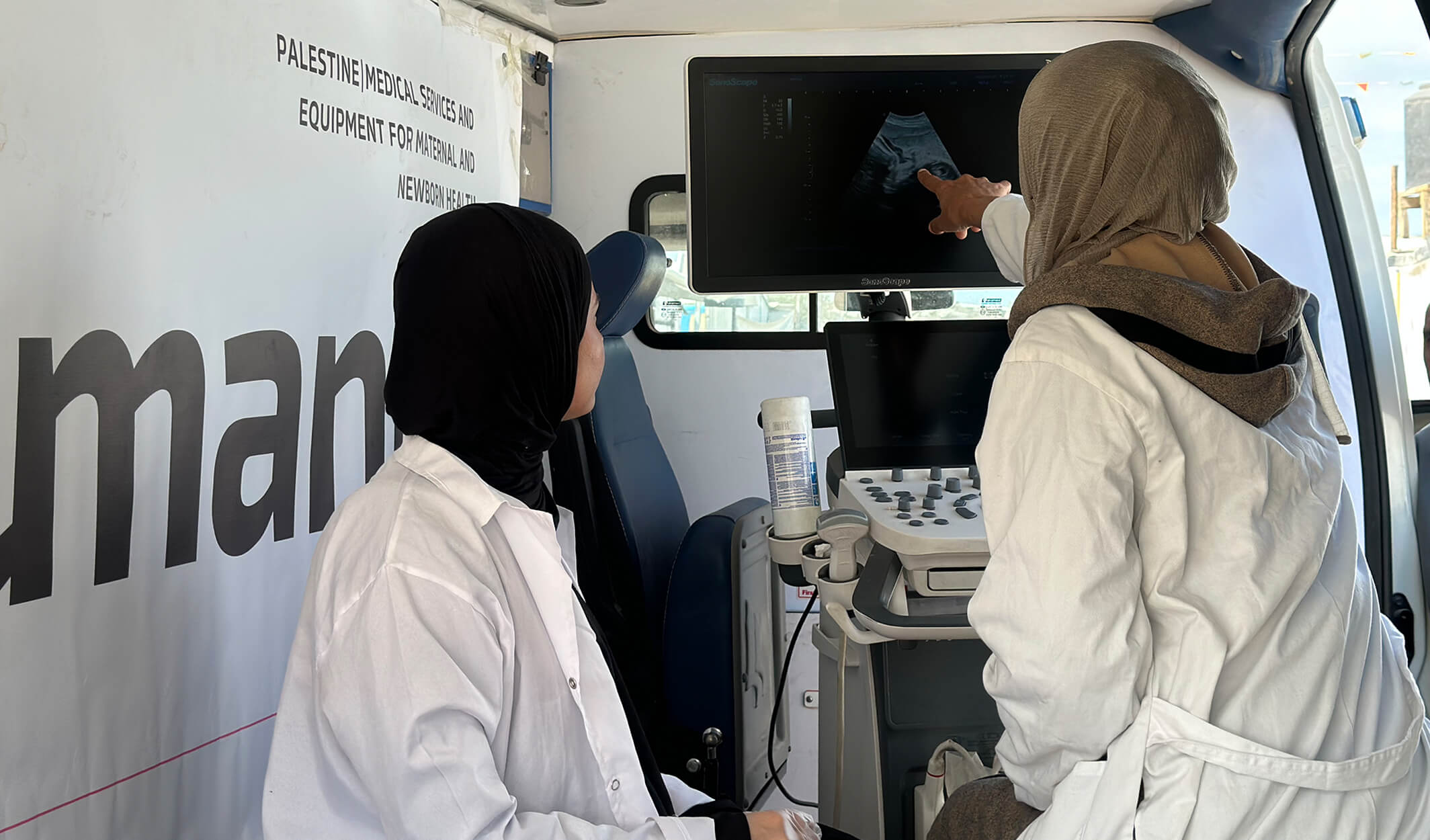
In Gaza, Every Pregnancy is supporting the Al-Mawasi Health Center to provide testing and treatment for high-risk pregnancies. As border restrictions have intensified, the program has adapted to maximize the use of medicines and equipment already available inside Gaza, and international experts have been delivering online training to frontline healthcare workers unable to be reached in person because of the conflict.
For Tania Baban, a medical doctor and country representative for MedGlobal in Lebanon, pausing the Every Pregnancy grant to wait for the conflict to end to be able to deliver the training was not an option. “The Ministry was happy to wait but for me, the need was there and pausing would be like saving for a rainy day when it was already raining,” she said.
Every Pregnancy’s Vellekoop added: “Even though our actual programming has changed quite a bit due to the escalation of the conflict and not being able to do the training as planned, the goals that we’d set have remained. It’s still about making sure that the most effective medical interventions reach mothers, also in conflict settings, but just in a slightly different way.”
While this type of agile resource re-allocation is commonplace in the private sector, it is rare in philanthropy, where donors typically – and usually with the best intentions – ring-fence their money for very specific causes linked to their priorities.
“It’s been great to work with Meem because they are very accessible and really listen to us,” explained Baban. “They don’t tell us what to do but rather ask us what we need and they trust and support us to do our work. We’re not having to worry about living up to donor expectations, we are trusted to get on with the job, which is making sure every mother has a chance to have a safe pregnancy and delivery.”
Across the Middle East, an estimated 1.6 million pregnant women are living under the threat of armed conflict. At the time of publishing, the United Nations Population Fund (UNFPA) reported that in Lebanon alone there were as many as 13,500 displaced pregnant women in urgent need of healthcare. Compounding this is the continued attacks on medical facilities and an ever-shrinking pool of trained healthcare workers. According to UNICEF, in the two years between 2019 and 2021, some 40 percent of doctors and 30 percent of midwives left the country and as a result, nearly three times as many women have died of complications from pregnancy or childbirth than in years past.
Caught up in these grim statistics is Nihal, an English teacher, who was seven months pregnant when she fled her home in Southern Lebanon with her husband and children, aged two and five, at the beginning of March.
With no time to pack more than a small bag, the family endured a 14-hour car journey before taking refuge in a temporary shelter in the city of Saida. Forced to make do in these overcrowded and unsanitary conditions, and sleeping on thin mattress in a shared room, Nihal began to fear for the health of her unborn baby and worry about where she might end up giving birth.
In her desperation, she paid US$70 for a private ultrasound. With her and husband both out of work due to the conflict, and with no indication when they might return home, this was money they could ill afford.
MedGlobal’s mobile units and PHCs were set up to support women like Nihal, who in early June, gave birth to a healthy baby girl. She was able to deliver in a hospital setting, thanks to MedGlobal’s intervention, and she is now back in the shelter, waiting to return to her home in the south.
Footnote:
[1] The E-MOTIVE bundle is an intervention combining early detection of postpartum hemorrhage with a standardized treatment bundle (MOTIVE) to reduce maternal deaths and morbidity. The early detection component (E) uses a calibrated blood collection drape for quantitative blood loss measurement, while the MOTIVE bundle includes: Massaging the uterus, Oxytocin, Tranexamic acid, Intravenous fluids, Valuable (examination) for complications, and Escalation of care. This evidence-based approach significantly improves PPH outcomes and is being implemented in healthcare settings, particularly in low-resource countries. WHO 2023