More than 700 women die every day from preventable causes related to pregnancy and childbirth – equivalent to one unnecessary death every two minutes, according to the World Health Organisation (WHO).
In the Middle East and North Africa (MENA) region, although maternal mortality rates are officially lower than in sub-Saharan Africa and parts of South Asia, the official numbers mask stark inequalities.
While wealthier countries report low maternal mortality rates, women in the region’s conflict-affected and fragile settings face significantly higher risks. In response to these disparities, in 2025, Meem Foundation committed US$500,000 to support pregnant women in Lebanon and Gaza, where even basic healthcare services have been severely disrupted by continued conflict and attacks on medical facilities and workers.
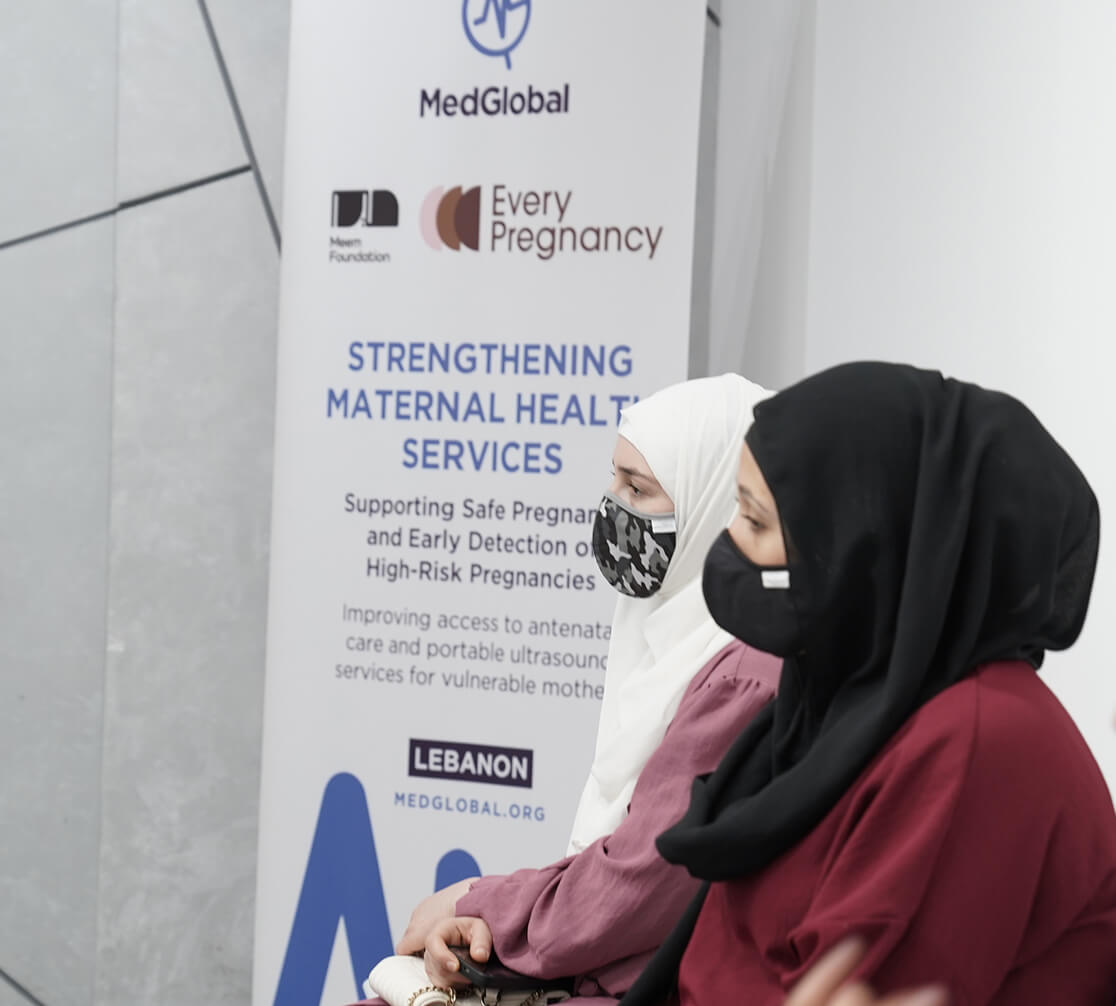
Meem allocated the money to Every Pregnancy, a new philanthropic initiative aimed at expanding access to life‑saving maternal and newborn health interventions in communities disproportionately affected by conflict, displacement, poverty, and weak access to healthcare.
The focus of the grant was the delivery of life-saving drugs and equipment, such as portable ultrasound machines, and provision of training to raise awareness among health workers about how to detect high-risk pregnancies and treat obstetric emergencies.