Emirates Council for Balanced Development (ECBD)

Strategy

Financial inclusion for women; future of work programs; investing in job creation.

Summary

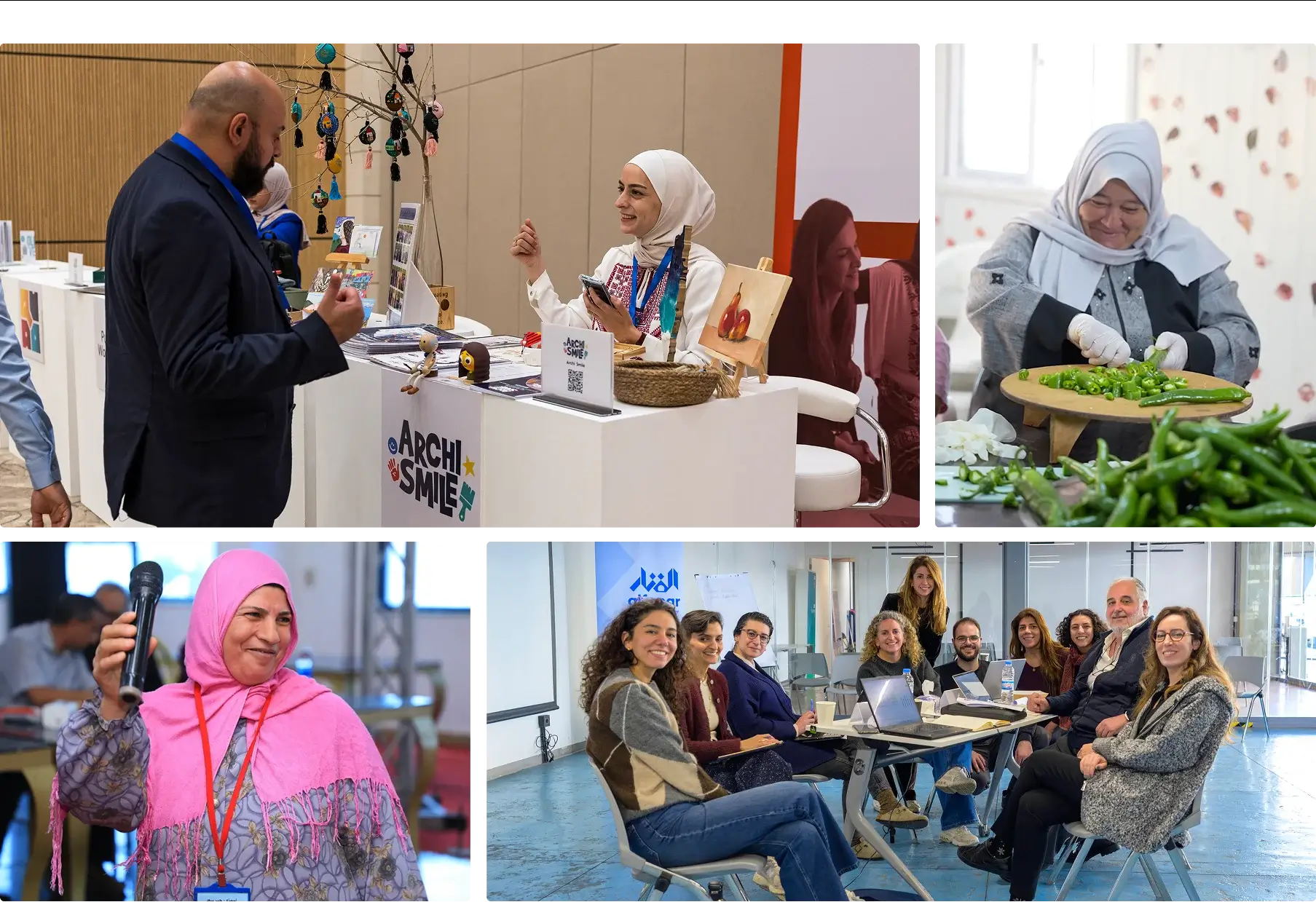
Through this strategic partnership, Meem Foundation supports the ECBD Nwat Al Qura Program, a 24 week program helping local entrepreneurs and businesses build stronger businesses, reach more customers, and create sustainable economic activity in Al Rams.

Who

The Emirates Council for Balanced Development (ECBD) was established in 2022 by His Highness Sheikh Mohammed bin Rashid Al Maktoum and mandated to advance rural development across the UAE. It is currently chaired by His Highness Sheikh Theyab bin Mohamed bin Zayed Al Nahyan and lead by His Excellency Mohamed Al Kaabi, Secretary General of ECBD. The Emirates Villages project was launched as a flagship initiative and serves as a scalable model that can be expanded and adapted as part of ECBD’s broader mandate for balanced development across the UAE. Its objectives are to establish micro economies within the villages, enhance community engagement, attract investments and private sector buy in, and develop localized tourism.

What

The Nwat Al Qura Program, in partnership with the Ministry of Economy, aims to support 8-12 Emirati projects through testing, launch, and early growth during a 24 week program. The goal is to move the projects from an early idea or small existing business into tested market activity, launches, and verified transactions. Program delivery is primarily in person, with Arabic or bilingual support.   The final goal of the program is to leave the 8-12 businesses with a clearer operating mode, evidence of customer demand, and a realistic future growth plan.
The Mobile University for Health: An Initiative by the Global Health Institute (GHI) at the American University Beirut (AUB)

Strategy

Future of work, training programs; women-focused health initiatives, raising health knowledge and awareness

Summary

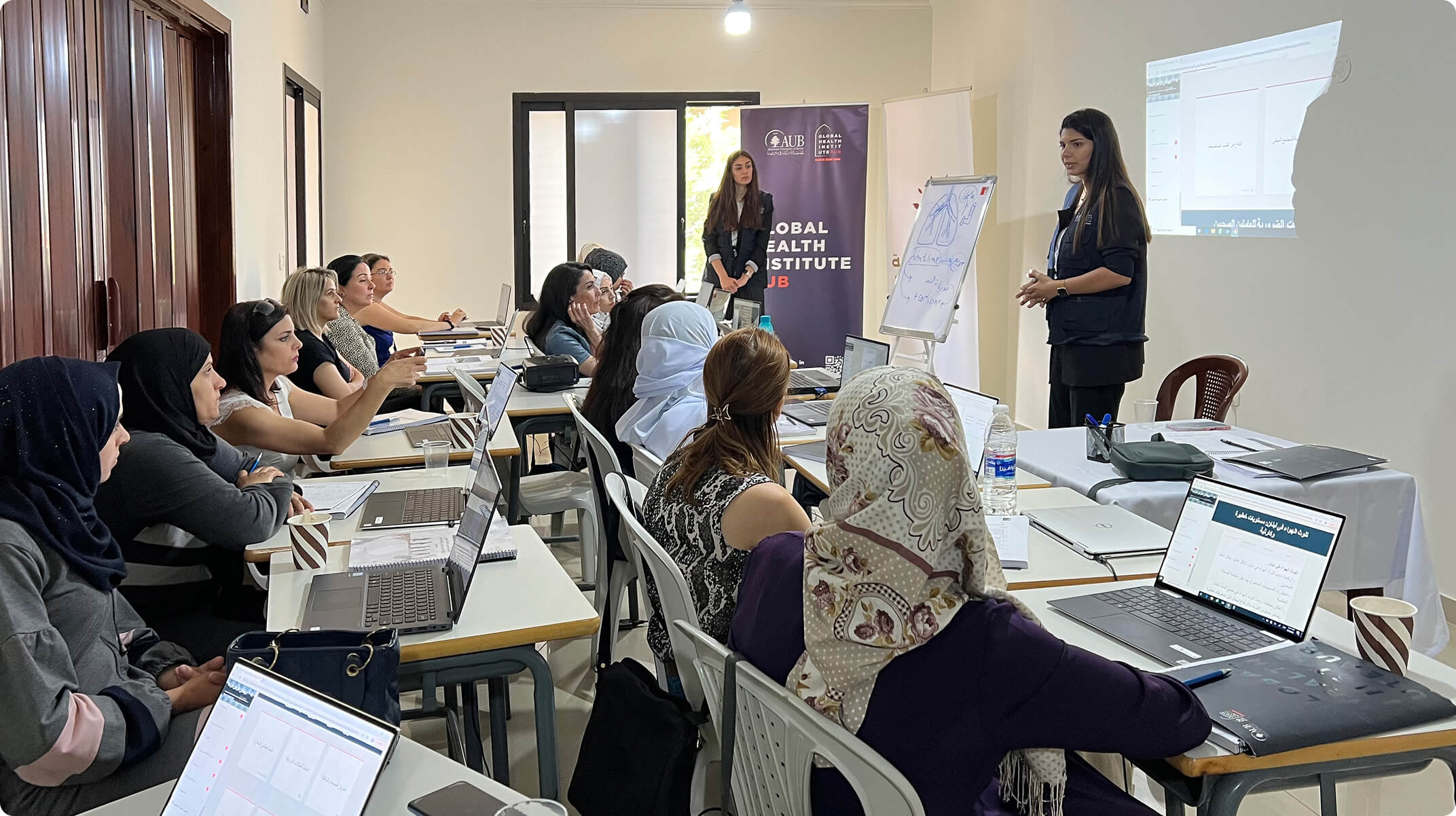
A program to scale the Mobile University for Health (MUH), an initiative by the Global Health Institute (GHI) at the American University of Beirut (AUB).  The MUH is a piloted and evaluated capacity-building model that enables underserved women to serve as Community Health Workers (CHW) through certificate programs tailored to individuals without a formal health background. The model aims to enhance graduates’ employability and economic inclusion while preparing them to play a supportive role in community health, helping extend the reach of health services and promote access to care in underserved and hard-to-reach communities.

Who

Established in 2017, The Global Health Institute at AUB is the first freestanding institute in the MENA region committed to pioneering solutions to global health challenges, prioritizing the unique needs of the MENA region.

Vulnerable populations across the MENA region face critical and compounding health and development challenges, limited access to quality healthcare, severe shortages in skilled health and humanitarian workforces, and growing impacts of conflict, displacement, and public health emergencies. These structural gaps disproportionately burden already marginalized communities.

The GHI Mobile University for Health serves predominantly low-income and crisis-affected populations, including Lebanese communities, Syrian and Palestinian refugees, and host populations. Its programming prioritizes women and girls across socio-economic status. Civil society organizations, frontline health workers, and humanitarian professionals are also key constituencies.

What

For the last decade, Lebanon’s health system has been severely strained due to:

  • Political instability and protracted conflict
  • Recent wars (2024 & 2026) with increased demand on health services
  • Economic collapse and workforce migration (~40% of health workforce left)
  • Large refugee and migrant population

One strategy to address these challenges is task shifting.  Endorsed by the WHO, task shifting involves allocating certain tasks or roles to trained individuals from the community known as Community Health Workers (CHW), which can help with prevention, control, referral, and management of diseases.

This is a four year grant to train 100 women as community health workers, create communities of practice to reach underserved communities, and digitize two health certificates focused on women’s health and non-communicable diseases (NCDs).  The grant will further establish an Employability Unity that facilitates the connection of graduate women to potential employment opportunities.

Alfanar Venture Philanthropy (Alfanar)

Strategy

Financial inclusion for women; future of work programs; investing in job creation

Summary

Alfanar Venture Philanthropy funds, supports and scales high-impact social enterprises in the Arab world. Their mission is to build a thriving impact economy in the Arab world – where locally-led social enterprises drive inclusive growth, resilience and long-term systemic change. This is a general support grant to Alfanar for their work across the region.

Who

Alfanar was created to fund and support social enterprises that are too mission-driven for commercial capital, too growth-oriented for traditional grants and too early-stage for institutional investors. These organisations sit in the ‘missing middle’—where innovation risks stagnation without the right kind of intervention.  Alfanar’s grantmaking helps social enterprises move along the investment continuum—with (1) funding, (2) capacity building, (3) access to networks and (4) impact measurement rigor. They have two funding mechanisms: (1) SEED and (2) SUSTAIN.

What

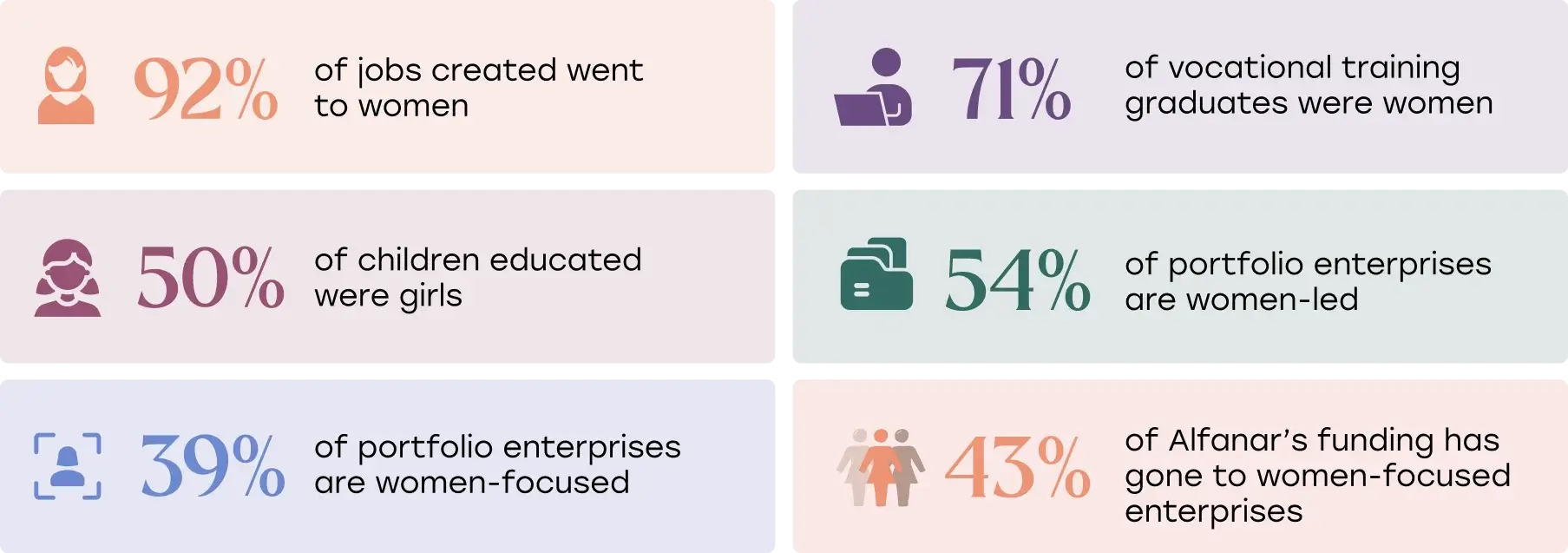
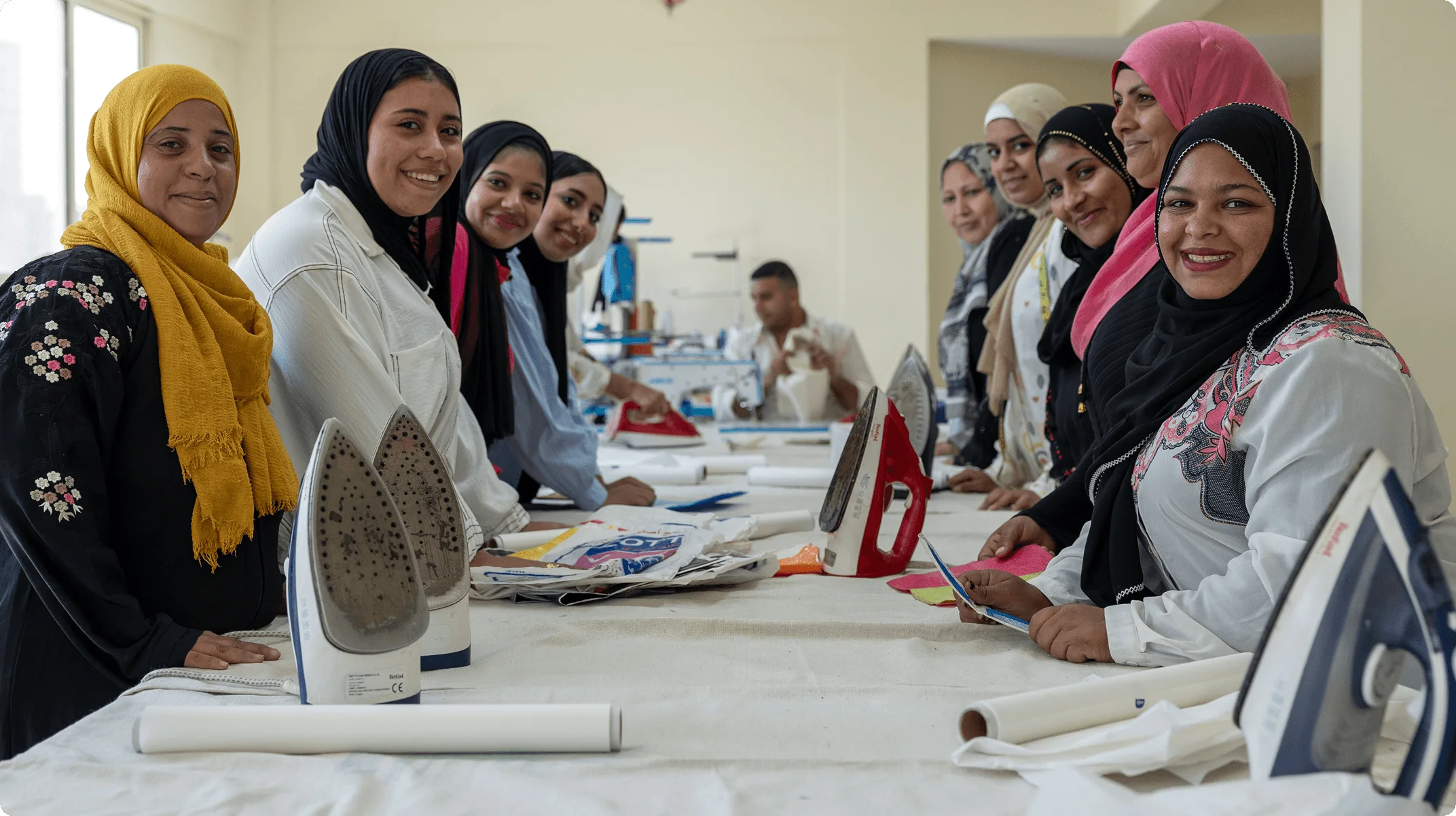
Alfanar works across four themes: Learning, Earning, Climate and Heritage; and have supported more than 220 social enterprises across Egypt, Jordan, Lebanon and Palestine. Women are central to the portfolio as both founders and beneficiaries. In 2025, 50% of supported enterprises were women-led and 54% delivered programs directly to women through income generation, employment, entrepreneurship, education and skills.

Since inception, Alfanar’s portfolio of enterprises have delivered the following: